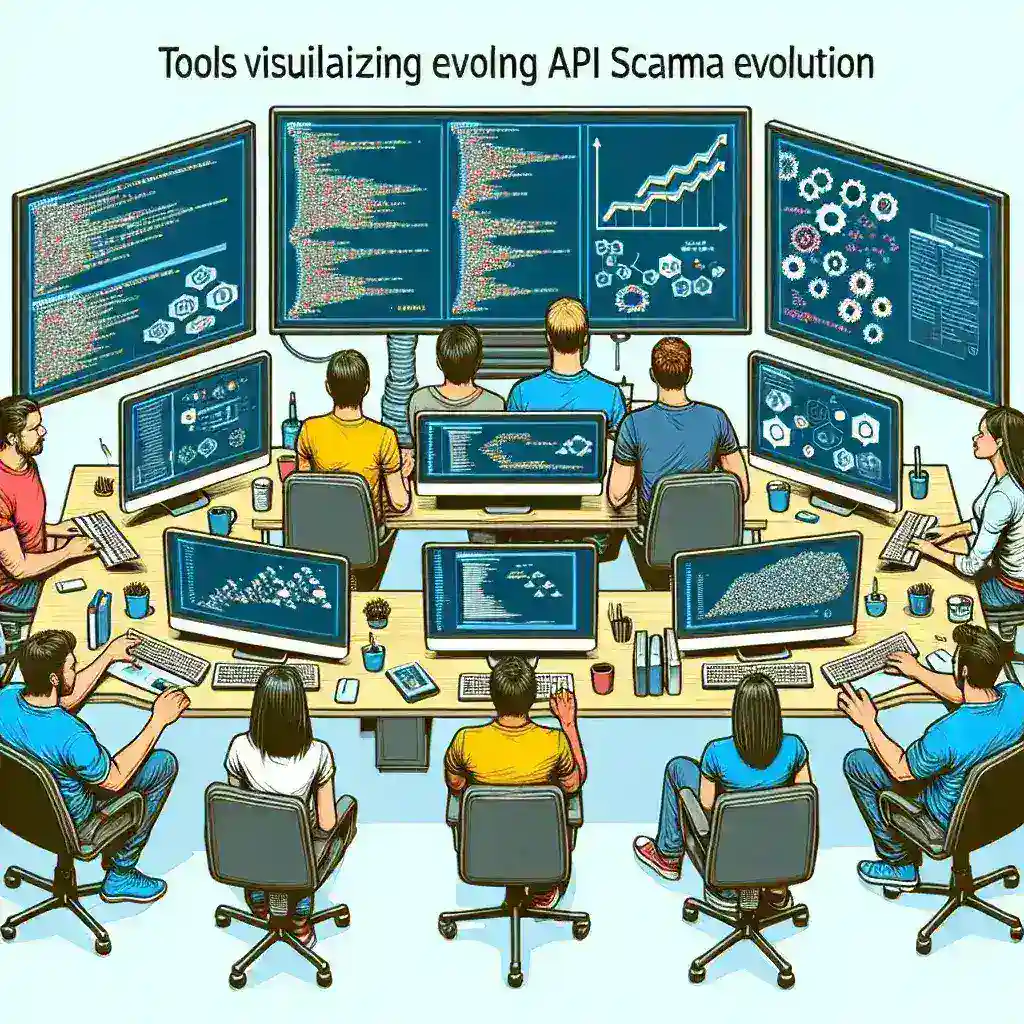
In today’s rapidly evolving software landscape, APIs serve as the backbone of digital communication, connecting applications, services, and systems across diverse platforms. As these APIs continuously evolve to meet changing business requirements and technological advancements, tracking and understanding schema changes becomes increasingly critical for development teams, stakeholders, and system architects.
The challenge of managing API evolution goes beyond simple version control. Development teams need comprehensive visibility into how their APIs change over time, understanding the impact of modifications on existing integrations, and ensuring backward compatibility while introducing new features. This is where specialized visualization tools become indispensable, transforming complex schema evolution data into actionable insights.
Understanding API Schema Evolution Challenges
Before diving into specific tools, it’s essential to understand the multifaceted challenges that API schema evolution presents. Breaking changes represent perhaps the most significant concern, as they can disrupt existing client applications and cause system failures. These changes might include removing endpoints, modifying request parameters, or altering response structures in ways that existing consumers cannot handle.
Documentation drift poses another substantial challenge. As APIs evolve rapidly, maintaining accurate and up-to-date documentation becomes increasingly difficult. Traditional documentation methods often lag behind actual implementation changes, creating confusion among developers and potentially leading to integration errors.
Version management complexity multiplies when organizations maintain multiple API versions simultaneously. Teams must track which features exist in which versions, understand deprecation timelines, and manage the transition process for consumers moving between versions.
Essential Features of API Schema Visualization Tools
Effective API schema visualization tools share several critical characteristics that distinguish them from basic documentation generators. Timeline visualization capabilities allow teams to see how schemas have changed over specific periods, identifying patterns in evolution and understanding the frequency of modifications.
Diff comparison functionality enables developers to quickly identify differences between schema versions, highlighting additions, deletions, and modifications in an easily digestible format. This feature proves invaluable during code reviews and when communicating changes to stakeholders.
Interactive exploration features empower users to drill down into specific schema elements, understanding relationships between different components and exploring the impact of potential changes before implementation.
Leading Commercial Solutions
Several commercial platforms have emerged as leaders in API schema visualization, each offering unique strengths and capabilities. Postman has evolved beyond its origins as a simple API testing tool to become a comprehensive API development platform. Its schema visualization features include automated documentation generation, version comparison tools, and collaborative workspaces that enable teams to track changes collectively.
The platform’s strength lies in its integration capabilities, allowing teams to connect their existing development workflows with visualization features seamlessly. Postman’s mock server functionality also enables teams to visualize how proposed schema changes might affect client applications before implementation.
Insomnia offers another compelling commercial solution, particularly favored by teams that prioritize user experience and interface design. Its visualization tools focus on creating intuitive representations of complex API structures, making it easier for non-technical stakeholders to understand API evolution patterns.
SwaggerHub, built around the OpenAPI specification, provides enterprise-grade schema visualization with robust version control integration. Its collaborative features enable distributed teams to work together on API design while maintaining clear visibility into evolution patterns.
Open Source Alternatives
The open-source ecosystem offers several powerful alternatives for teams seeking cost-effective solutions or greater customization flexibility. Redoc stands out as an exceptional documentation generator that creates beautiful, interactive API documentation from OpenAPI specifications. While primarily focused on documentation, its three-panel layout and interactive features provide excellent schema visualization capabilities.
Swagger UI remains one of the most widely adopted open-source solutions, offering real-time schema visualization and interactive testing capabilities. Its plugin architecture allows teams to extend functionality according to their specific requirements.
OpenAPI Generator provides a different approach, focusing on code generation while offering visualization as a secondary feature. This tool excels in environments where teams need to generate client libraries automatically while maintaining visibility into schema changes.
Specialized Evolution Tracking Tools
Beyond general-purpose API documentation tools, several specialized solutions focus specifically on tracking and visualizing schema evolution. API Evolution platforms like Bump.sh offer dedicated features for monitoring breaking changes, generating migration guides, and providing stakeholders with clear communication about API modifications.
These specialized tools often integrate with continuous integration pipelines, automatically detecting schema changes during the development process and generating visualization reports that can be shared with relevant stakeholders.
Version comparison tools like API Diff provide detailed analysis of changes between schema versions, offering both visual and programmatic access to evolution data. These tools prove particularly valuable for large organizations managing multiple APIs with complex interdependencies.
Integration with Development Workflows
The most effective API schema visualization tools integrate seamlessly with existing development workflows, providing value without disrupting established processes. Git integration enables automatic tracking of schema changes alongside code modifications, creating a comprehensive history of API evolution that correlates with development activities.
Continuous integration and deployment (CI/CD) pipeline integration allows teams to automatically generate visualization reports as part of their build processes, ensuring that schema evolution tracking remains current without manual intervention.
Many modern tools also offer webhook integration, enabling real-time notifications when significant schema changes occur. This capability proves particularly valuable for organizations with multiple teams consuming shared APIs, as it enables proactive communication about upcoming changes.
Best Practices for Implementation
Successful implementation of API schema visualization tools requires careful consideration of organizational needs and existing processes. Standardization represents a crucial first step, as teams must adopt consistent schema definition formats, typically OpenAPI or JSON Schema, to enable effective visualization.
Establishing clear governance processes ensures that schema changes follow established review procedures and that visualization tools capture all relevant modifications. This might include requiring schema updates as part of pull request processes or implementing automated validation to prevent unauthorized changes.
Training and adoption strategies prove equally important, as the most sophisticated visualization tools provide little value if team members don’t understand how to use them effectively. Organizations should invest in comprehensive training programs and establish clear documentation about tool usage and best practices.
Measuring Success and ROI
Organizations implementing API schema visualization tools should establish clear metrics for measuring success and return on investment. Reduced integration errors represent one of the most tangible benefits, as improved visibility into schema changes typically leads to fewer breaking change incidents and faster resolution of compatibility issues.
Documentation accuracy improvements can be measured through developer feedback and reduced support tickets related to API usage confusion. Many organizations also track time savings in API development and integration processes, as visualization tools typically accelerate these activities.
Stakeholder satisfaction metrics provide additional insight into tool effectiveness, particularly regarding communication about API changes and the ability of non-technical stakeholders to understand API evolution patterns.
Future Trends and Considerations
The landscape of API schema visualization continues evolving rapidly, driven by increasing API complexity and growing recognition of the importance of effective API management. Artificial intelligence integration represents one of the most promising trends, with emerging tools offering predictive analysis of breaking changes and automated generation of migration guidance.
Machine learning algorithms increasingly power intelligent change detection, helping teams identify potentially problematic modifications before they impact production systems. These capabilities promise to transform reactive schema management into proactive evolution planning.
Enhanced collaboration features continue developing, with tools offering more sophisticated stakeholder communication capabilities and better integration with project management platforms. This trend reflects the growing recognition that API evolution affects entire organizations, not just development teams.
Conclusion
Tools for visualizing API schema evolution have become essential components of modern software development infrastructure. From comprehensive commercial platforms to specialized open-source solutions, teams have access to an unprecedented range of options for tracking, understanding, and communicating API changes.
Success in implementing these tools depends on careful selection based on organizational needs, proper integration with existing workflows, and commitment to establishing clear governance processes. As APIs continue growing in importance and complexity, investment in effective schema visualization tools represents not just a technical necessity but a strategic advantage in maintaining robust, reliable software systems.
The future promises even more sophisticated capabilities, with artificial intelligence and machine learning poised to transform how teams understand and manage API evolution. Organizations that embrace these tools today position themselves for success in an increasingly API-driven world, ensuring that their development processes remain efficient, their integrations remain stable, and their stakeholders remain informed about the systems that power their digital operations.