Understanding API Schema Evolution in Modern Development
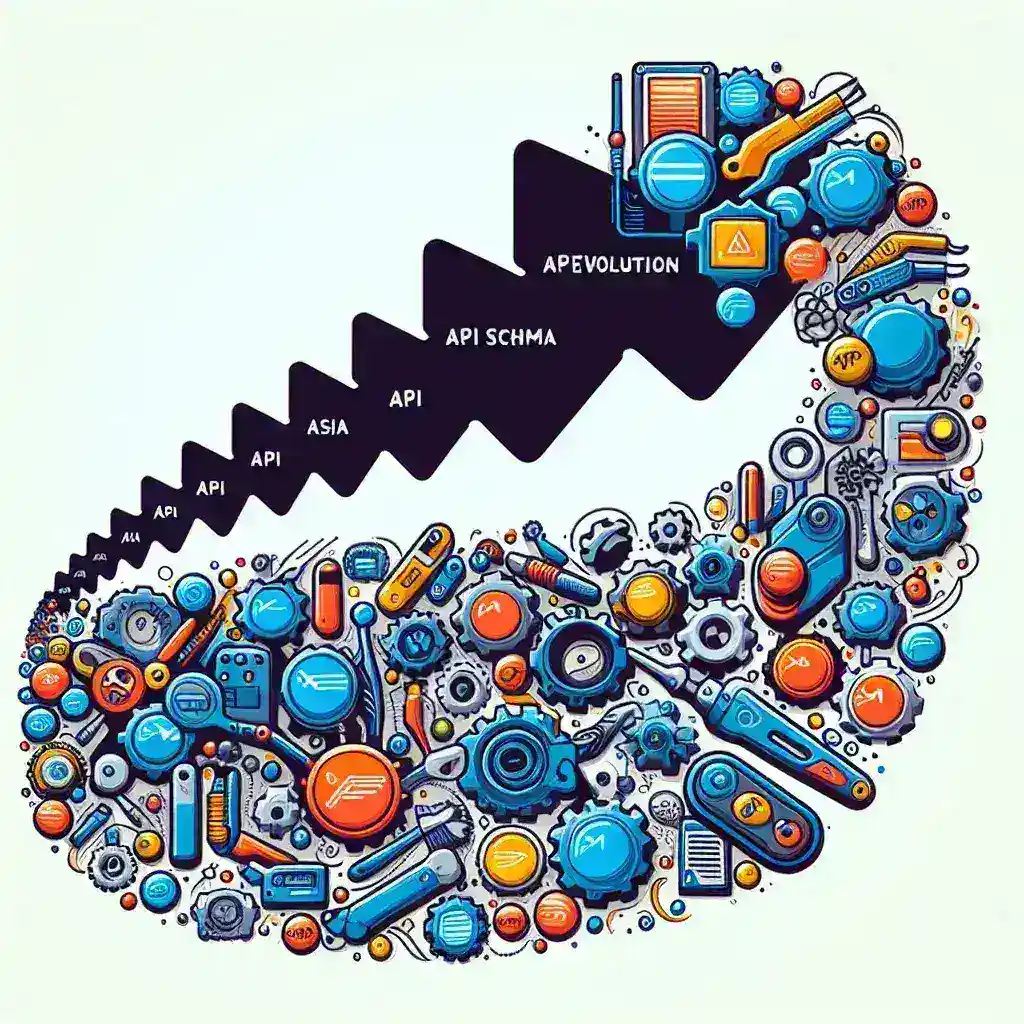
API schema evolution represents one of the most critical challenges facing development teams today. As applications grow in complexity and scale, the need to track, visualize, and manage changes to API structures becomes paramount. API schema evolution encompasses the systematic tracking of modifications, additions, and deprecations within application programming interfaces over time.
The dynamic nature of modern software development demands robust visualization tools that can effectively communicate schema changes to stakeholders across different technical backgrounds. From seasoned architects to junior developers, everyone benefits from clear, intuitive representations of how APIs transform throughout their lifecycle.
The Critical Importance of Schema Visualization
Schema visualization serves multiple fundamental purposes within development ecosystems. First, it provides immediate clarity regarding breaking changes that could impact dependent systems. Second, it facilitates better communication between development teams, product managers, and quality assurance professionals. Third, it enables proactive identification of potential compatibility issues before they manifest in production environments.
Consider the scenario where a large-scale e-commerce platform needs to modify its payment processing API. Without proper visualization tools, understanding the ripple effects of such changes across hundreds of microservices becomes nearly impossible. Visualization transforms this complex challenge into manageable, comprehensible insights.
Historical Context and Evolution
The concept of API schema visualization emerged alongside the proliferation of service-oriented architectures in the early 2000s. Initially, developers relied on manual documentation and basic diff tools to track changes. However, as systems grew exponentially in complexity, the limitations of these approaches became apparent.
The introduction of RESTful APIs and later GraphQL fundamentally changed how developers approached schema management. These technologies brought structured formats that were more amenable to automated analysis and visualization, paving the way for sophisticated tooling ecosystems.
Essential Categories of Schema Visualization Tools
Automated Diff and Comparison Tools
Automated comparison tools represent the foundation of modern schema visualization. These solutions analyze API specifications across different versions, highlighting modifications with precision and clarity. OpenAPI Diff stands out as a premier example, offering comprehensive comparison capabilities for OpenAPI specifications.
These tools typically generate detailed reports showing added endpoints, modified parameters, changed response structures, and deprecated functionality. The visual representation often includes color-coded indicators, making it easy to distinguish between different types of changes at a glance.
Interactive Schema Browsers
Interactive browsers provide dynamic exploration capabilities, allowing users to navigate through schema structures intuitively. Tools like Swagger UI and GraphQL Playground exemplify this category, offering real-time interaction with API schemas while maintaining historical context.
The interactive nature of these tools enables developers to test changes immediately, understanding their implications through hands-on experimentation rather than static documentation review.
Timeline and Version Control Integration
Timeline-based visualization tools integrate directly with version control systems, providing chronological views of schema evolution. These solutions map schema changes to specific commits, releases, and deployment events, creating comprehensive audit trails.
Git-based tools often include branch comparison features, enabling teams to visualize differences between feature branches and main development lines before merging changes into production systems.
Leading Tools and Platforms
Spectral and OpenAPI Ecosystem
Spectral has emerged as a powerful linting and validation tool for OpenAPI specifications, offering extensive customization capabilities for schema analysis. Its rule-based approach allows teams to define specific criteria for acceptable schema changes, automatically flagging potential issues during development.
The tool’s integration with continuous integration pipelines ensures that schema violations are caught early in the development process, preventing problematic changes from reaching production environments.
GraphQL Schema Evolution Tools
GraphQL’s introspective nature has spawned specialized visualization tools designed specifically for GraphQL schema management. Tools like GraphQL Inspector provide comprehensive change detection and compatibility analysis for GraphQL APIs.
These tools excel at identifying breaking changes in GraphQL schemas, such as removed fields, changed argument types, or modified return types. The visualization often includes dependency graphs showing how changes might impact client applications.
Enterprise-Grade Solutions
Enterprise environments often require more sophisticated tooling with advanced features like role-based access control, audit logging, and integration with existing development workflows. Solutions like Postman and Insomnia offer comprehensive API management platforms that include schema visualization as part of broader API lifecycle management.
These platforms typically provide centralized repositories for API schemas, enabling teams to maintain consistent documentation and visualization across multiple projects and environments.
Implementation Strategies and Best Practices
Establishing Visualization Workflows
Successful schema visualization implementation requires careful planning and workflow integration. Teams should establish clear processes for when and how schema changes are documented, reviewed, and approved. This includes defining roles and responsibilities for schema maintenance and establishing approval processes for breaking changes.
The workflow should incorporate automated checks that trigger visualization updates whenever schema modifications are detected. This ensures that visualization remains current and accurate without requiring manual intervention.
Collaborative Review Processes
Schema visualization tools work best when integrated into collaborative review processes. Teams should establish regular review cycles where stakeholders examine proposed changes using visualization tools before implementation.
These reviews should include technical architects, product managers, and representatives from consuming teams. The visual nature of modern tools makes it possible for non-technical stakeholders to understand and contribute to schema evolution discussions effectively.
Advanced Features and Capabilities
Impact Analysis and Dependency Mapping
Modern visualization tools increasingly offer sophisticated impact analysis features that map dependencies between different API components. These capabilities help teams understand the cascading effects of schema changes across complex system architectures.
Dependency mapping often includes external integrations, showing how schema changes might affect third-party systems or partner integrations. This holistic view enables more informed decision-making regarding schema evolution strategies.
Performance and Compatibility Metrics
Advanced tools incorporate performance metrics and compatibility scoring into their visualizations. These features help teams understand not just what changes are occurring, but also their potential impact on system performance and client compatibility.
Compatibility scoring often includes automated analysis of common client libraries and SDKs, predicting which changes might cause issues for different consumer types.
Future Trends and Emerging Technologies
The future of API schema visualization is being shaped by several emerging trends. Machine learning integration promises to provide predictive insights about schema evolution patterns, helping teams anticipate future changes and plan accordingly.
Real-time collaboration features are becoming increasingly important as distributed teams become more common. Tools are evolving to support simultaneous multi-user editing and review sessions, enabling more dynamic collaboration around schema evolution.
Integration with DevOps Pipelines
The integration of schema visualization tools with DevOps pipelines is becoming increasingly sophisticated. Future tools will likely offer more granular control over deployment processes, enabling automated rollbacks based on schema compatibility analysis.
This integration extends to monitoring and observability platforms, where schema changes can be correlated with system performance metrics and error rates in production environments.
Measuring Success and ROI
Organizations implementing schema visualization tools should establish clear metrics for measuring success. These might include reduced time to identify breaking changes, decreased number of production incidents related to API modifications, and improved developer productivity metrics.
The return on investment for schema visualization tools often manifests in reduced debugging time, faster development cycles, and improved system reliability. Teams report significant time savings when clear visualization eliminates the need for manual schema analysis and documentation review.
Conclusion: Building Sustainable Schema Management
The landscape of API schema visualization continues to evolve rapidly, driven by the increasing complexity of modern software architectures and the growing importance of API-first development approaches. Organizations that invest in robust visualization tools and establish clear processes for schema evolution management position themselves for long-term success in increasingly complex technical environments.
The key to successful schema visualization lies not just in tool selection, but in establishing sustainable processes that integrate visualization into daily development workflows. Teams that treat schema visualization as a fundamental component of their development toolkit, rather than an optional add-on, consistently achieve better outcomes in terms of system reliability, developer productivity, and stakeholder communication.
As the industry continues to embrace API-driven architectures, the importance of effective schema visualization will only continue to grow. Organizations that master these tools and techniques today will be better positioned to navigate the challenges of tomorrow’s even more complex software ecosystems.